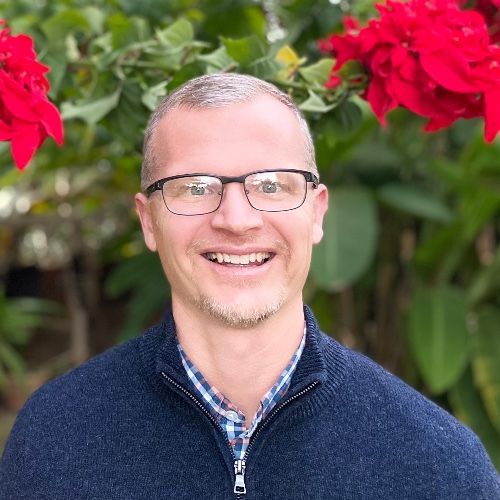
Doug Cobb on Sprint to the Finish- The Completion of the Great Commission in Our Lifetime
The primary focus of this podcast episode is the imperative of fulfilling the Great Commission within our generation, a mission passionately championed by our guest, Doug Cobb. Throughout our discourse, we delve into Doug's remarkable journey, highlighting his transformative experiences in global missions and his entrepreneurial background that has equipped him for this calling. Doug shares insights from his book, "Sprint to the Finish," highlighting the necessity of engaging unreached and unengaged people groups with the message of Jesus Christ. We explore various methodologies, including the innovative concept of church-centered Bible translation, which empowers local communities to take ownership of the Scriptures. As we engage in this enlightening conversation, we invite our listeners to reflect on their roles in this vital mission, emphasizing that each of us has a part to play in this significant endeavor.
Takeaways:
- The podcast emphasizes the importance of clarity, insight, and encouragement in pursuing life and mission.
- Doug Cobb shares his transformative experiences in Nigeria that ignited his passion for global missions.
- The discussion outlines the significance of church-centric Bible translation in reaching unengaged people groups.
- Cobb highlights the critical role of the Great Commission in mobilizing efforts to spread the Christian message worldwide.
- The concept of 'reached', 'unreached', and 'unengaged' groups is crucial in understanding global mission strategies.
- A powerful emphasis is placed on the necessity of prayer, giving, and going in the Great Commission effort.
Transcript
Hey there and welcome back to the Clarity Podcast.
Speaker A:This podcast is all about providing clarity insight encouragement for life in mission.
Speaker A:And my name is Aaron Sandemier and I get to be your host.
Speaker A:Today we have the phenomenal opportunity to have with us on the podcast Doug Cobb.
Speaker A:We sit down and discuss, I think honestly one of his life passions to see the global push to complete the Great Commission and in this generation.
Speaker A:And Doug has written a book, the Sprint to the Finish.
Speaker A:And it was fun.
Speaker A:It was fun to sit down with him.
Speaker A:I got to think about some of my days in Madagascar and relive some of those memories.
Speaker A:One of the examples we'll talk about in the book on church centric translation or church centered Bible translation, they use an example from Antana Nereva, one of the areas near the university.
Speaker A:And so it was fun just to connect with him and honestly to hear his passion.
Speaker A:He'll share that he's an entrepreneur, he's a businessman by background, but he has a passion for the unreached, the unengaged, that the message and love of Jesus Christ would get to them.
Speaker A:And yeah, just fun to learn from him his heart and passion for missions and to share the love of Jesus Christ.
Speaker A:And so we'll jump into that in just a minute.
Speaker A:Do want to thank you for continuing to listen into the podcast and many of you have listened in since the beginning and I'm grateful and thankful for that.
Speaker A:Those who are new to it ask you to subscribe.
Speaker A:Continue to subscribe to the podcast and then that way know what's going to show.
Speaker A:The episodes come out every Monday or Sunday morning, 9:00am Central Standard Time.
Speaker A:When I was in Africa, they came out, seemed to come out on Monday morning, but that was a time change thing.
Speaker A:So they come out on Sunday, 9am Central Standard Time and that's when the new episodes come out.
Speaker A:Please also continue to send in your questions for Backchannel with Foath.
Speaker A:That's where we get to sit down with Dick Foth and get to learn from him.
Speaker A:And that's been one of the joys and pleasures of doing a podcast.
Speaker A:I've gotten to meet a lot of people, fun people to learn through the their mentorship and their insight and their experience.
Speaker A:And Dick is, you know, many of you know, he's been with us almost since the beginning of the podcast on Backchannel with Foe and it's been fun.
Speaker A:It's been fun.
Speaker A:Well, there's no time better than now to get started.
Speaker A:So here we go.
Speaker A:Greetings and welcome back to the Clarity Podcast.
Speaker A:So Excited to be here today with a new folks friend of the podcast, Doug.
Speaker A:Welcome.
Speaker B:Thank you, Aaron.
Speaker B:It's great to be on.
Speaker B:Thanks for having me, Doug.
Speaker A:One thing about my listeners get to have heard many times is the beauty of being a podcast host is you get to read books and you feel like you get to know somebody through reading their book.
Speaker A:So I've gotten to spend some time reading your book and looking forward to our conversation today.
Speaker A:But those who have not yet got to read your book, will you share about the book and then share about yourself?
Speaker A:Or let's share about yourself first and then share about the book.
Speaker A:How about that?
Speaker B:Happy to do that.
Speaker B:Thank you.
Speaker B:I'm a businessman from Louisville, Kentucky.
Speaker B:Been married to my wife Gina for 45 years.
Speaker B:We have three grown children and six grandchildren and that's a great blessing.
Speaker B:It's one thing in life that completely lives up to the hype is, you know, the grandkids and.
Speaker B:You know, spent my career in the world of startups and venture capital, angel capital.
Speaker B:Along the way, I met a guy named Paul Eshelman who was the director of the Jesus film project.
Speaker B: He took me to Nigeria in: Speaker B:I didn't want to go to Nigeria.
Speaker B:I was like, you know the cliche American, right?
Speaker B:You know, I'll do anything you want, just don't make me go to Africa.
Speaker B:Right.
Speaker B:So of course he takes me there.
Speaker B:And that trip was transformative.
Speaker B:It really put my life on a different vector in so many ways.
Speaker B:That really began the journey that led to this book.
Speaker B:For the last eight years, I've been leading a ministry called the Finishing Fund, which is kind of like a venture capital fund for the Great Commission.
Speaker B:We raise donations from contributors and then pool those and use the funds to support projects that will take the gospel for the first time to a people group that nobody's been to before, as far as we know.
Speaker B:And we've now done that about 800 times in the last eight years.
Speaker B:And so that's a very cool thing.
Speaker B:So it, it's amazing.
Speaker B:I thought I had a career in business and now I get to do this.
Speaker B:I've come to see that I had a 35 year training program in business for this best job I've ever had of leading the Finishing Fund.
Speaker A:Wow.
Speaker A:Wow.
Speaker A:What a, what a fabulous story.
Speaker A:And what, what a, what an honor to be able to.
Speaker A:What'd you say?
Speaker A:800, 808 years?
Speaker B:I mean, what?
Speaker B:794 so far.
Speaker B:So, yeah.
Speaker A:What an honor.
Speaker A:And God's opened that door for you.
Speaker B:I mean, we do the easy part.
Speaker B:You know, we just write the check.
Speaker B:There are ministries that organize the projects, and there are very courageous brothers and sisters who are the ones who are willing to go to these last places.
Speaker B:You know, they're the last places for a reason.
Speaker B:And, you know, so it takes a lot of faith to go, but we're glad to be a small part of the overall process.
Speaker A:It's true.
Speaker A:You know, we lived in East Africa for many years, and I said, you know, there's a reason that at the end of the road, there's nobody at the end of that road, you know, and it's 100% true.
Speaker A:Whether that's spiritual.
Speaker A:A lot of times, spiritual comments, sometimes it's just a reality of life there.
Speaker A:But as you said, there's definitely a reason.
Speaker A:So can you.
Speaker A:One of the things that, as I read through your book, was just this idea, this passion that you have for the Great Commission.
Speaker A:Where's the Genesis story of that?
Speaker A:So you're a businessman.
Speaker A:God used that.
Speaker A:But how did.
Speaker A:How all of a sudden.
Speaker A:Maybe it wasn't all of a sudden.
Speaker A:Maybe it was over a period of time.
Speaker A:But what's the Genesis story of your heart and love for the Great Commission?
Speaker B:I think, you know, Aaron, I was like most of our brothers and sisters.
Speaker B:You know, I had a vague understanding of the Great Commission task.
Speaker B:I knew what missionaries were.
Speaker B:We supported some of them, but I didn't really have a grasp of some of the.
Speaker B:What I think are some of the fundamental ideas, one of them being that the Great Commission has biblical finish lines.
Speaker B:You know, God told us, Jesus told us, every nation, every people group, every language, every place.
Speaker B:And we can talk about the biblical foundations for those things.
Speaker B:But at least those three goals and discovering that there were finish lines became a powerful motivator for me.
Speaker B:I think.
Speaker B:My wife says that my favorite thing to do is to check something off a to do list.
Speaker B:I'm so pathological that I'll put something I've already done on a list so that I can check it off.
Speaker B:Right.
Speaker B:But when my association with Paul Eshelman and his leadership of a ministry called Finishing the Task, Paul was all about the unengaged people groups of the world.
Speaker B:He, in Finishing the Task, produced a monthly list of how many groups were left.
Speaker B: groups on it back in: Speaker B:And every month they would report, you know, a few more have been engaged.
Speaker B:And he kind of, you know, through hanging out with him, I kind of began to develop that same passion.
Speaker B: But then in: Speaker B:So I think There were about 15 groups in total that we helped support.
Speaker B:And about a year later, I was sitting in a tent in India with 10,000 people.
Speaker B:Who knows how many people were under this tent?
Speaker B:Hot as blazes, you know, and in northern India, Bihar state.
Speaker B:And there in the crowd were the first known believers in the history of the world from some of the people groups that we had helped to finance.
Speaker B:It was like something out of the Book of Acts, you know, I mean, like, you know, after 2,000 years, surely we don't have the chance to do what Paul talks about in Romans 15, right, of going to a place where nobody's been.
Speaker B:Surely every place has been reached, but it hasn't.
Speaker B:And, you know, that just that was such a powerful experience.
Speaker B:So joyful, so amazing to see that and to think we'd had a small part in doing it.
Speaker B:And really that was the thing that launched the finishing fund and got me involved in doing this day by day, the kind of the work part of it, but also just ignited this passion and this hope that ours could be the generation to see this task completed.
Speaker B:I could be wrong about that, but I try in the book to make a case that, you know, there's a lot of reasons to think that we're rapidly moving toward, you know, that those three biblical finish lines.
Speaker B:So God just sort of worked on me, you know, over a period of time through the mentorship of Paul and, you know, some experiences to just give me this passion for seeing the task finished.
Speaker A:Wow.
Speaker A:Wow.
Speaker A:I love it.
Speaker A:And obviously, you know, we.
Speaker A:That's what I've given my life service to, is as a missionary and to see, you know, and to do that.
Speaker A:And so it's exciting, exciting to have you on today.
Speaker A:So what are some of the key principles you highlight some of the key principles that we learn from the life of Jesus about training for the Great Commission?
Speaker B:Yeah.
Speaker B:One of the things we do in the book is try to trace the Great Commission all the way back to the biblical roots, the foundations, including even the Old Testament roots of it.
Speaker B:We don't think of the Great Commission as being an Old Testament task, but in fact, God had the same mission for Israel that he has for his church.
Speaker B:He wanted the nations to come to know him through their witness.
Speaker B:They did a pretty poor job of that, but there are some exceptions and we talk about those in the books, like Naaman the general, who was healed of leprosy, and Rahab the Harlot, and Nebuchadnezzar the king.
Speaker B:So when Jesus came, he wasn't inventing a new task for God's people.
Speaker B:He was just putting the same mission front and center for his disciples.
Speaker B:And so we talk about in the book how Jesus modeled the Great Commission, how he trained in the Great Commission and how he taught about it.
Speaker B:Jesus intentionally went cross culturally.
Speaker B:A number of times in his ministry, had these cross cultural encounters where he showed his people that the gospel wasn't just for the Jews, it was for all nations.
Speaker B:The most famous one, the woman at the well in Samaria, he trained them, he took them on these trips to show them how to do this kind of stuff.
Speaker B:He took them to the region of the Gerasenes where they healed the demoniac and he showed them the power works there too.
Speaker B:And then he taught them.
Speaker B:There's these passages where Jesus, they're pretty brutal passages, typically is talking to some Jewish audience and he says, basically none of you guys are getting into my kingdom, but a whole bunch of people that you don't like are going to be there.
Speaker B:And so, you know, Jesus really made sure that his, his guys, you know, had seen it, had learned it, understood it.
Speaker B:It still took him a while to get it, but he did a good job of modeling and training.
Speaker A:Yeah, for sure, for sure.
Speaker A:And in the Assemblies of God world missions, which I've been a part of, there's a gentleman named Dr. John York and miss you day, you know, was as.
Speaker A: issionaries, my wife and I in: Speaker A:And I think we went through training.
Speaker A: ,: Speaker A:And you know, I'd been to Bible college, but I had never sat through like days of teaching on the Great Commission.
Speaker A:And he had that, just that from Genesis to Revelation, the heart of God.
Speaker A:And so the heart of God to see people reached.
Speaker A:And so it was, it was fun, fun.
Speaker A:Reading your book brought back lots of good memories for me and help, you know, continue to fan that flame.
Speaker A:So one of the other things you talk about is this God's heart for the nations and that's what compels us.
Speaker A:It's not just, you know, you're a businessman and so it's not just we want to check things off.
Speaker A:Right.
Speaker A:You said I like progress too.
Speaker A:So I'm a progress, not addict, but I like to see progress.
Speaker A:But it's not Just our human nature that just wants to check things off.
Speaker A:But it's.
Speaker A:And you do an eloquent job of sharing about God's heart, and that's what's compelling us.
Speaker A:Can you share a little bit more about that?
Speaker B:Yeah.
Speaker B:It really runs all through the Bible.
Speaker B:We see, you know, that God's intention has been almost from the very beginning that his gospel, his good news would be for every nation, every people, every place.
Speaker B:We don't typically think about that showing up in the Old Testament, but it begins like, you know, right there in Genesis.
Speaker B:Immediately after Abraham has been willing to offer Isaac for sacrifice, God stops him, provides the Ram, reiterates some of his promises, and then adds a new promise that, you know, through your offspring, through your descendant, all nations will be blessed.
Speaker B:And, you know, from that point forward, we just see it through the Psalms, through the prophets, and of course into the New Testament, this heart that God has that every nation will know, every nation will worship, that he's going to reunify the world under the headship of Jesus Christ.
Speaker B:One of the things we talk about in the book is I think there's kind of a beautiful.
Speaker B:Connection between the Great Commission and the Tower of Babel.
Speaker B:It was God who separated the nations and created them.
Speaker B:Initially at Babel, I think he did that.
Speaker B:We did it for several reasons.
Speaker B:One is to enforce the command that we scatter.
Speaker B:Another is to protect us from evil in leadership.
Speaker B:But even from that moment, I mean, the very next chapter is God calling Abraham and beginning this journey toward reunifying the nations under Jesus.
Speaker B:In Ephesians, chapter two, he talks about those who are far away and those who are near being brought together in one body, and in that one body, reconciling both of them to God.
Speaker B:That one body is the church, and God is slowly reintegrating the nations through the church into one body of humanity.
Speaker B:It's a theme that runs really from Genesis to Revelation through the Bible.
Speaker B:It's so clear when you see it and it's so important, I think.
Speaker A:Yeah, for sure, for sure.
Speaker A:One of the other things I thought, and honestly it's been something we've been.
Speaker A:When I was leading in East Africa was this.
Speaker A:The discussion around reached, unreached and unengaged, you know, and so if you sit.
Speaker A:You sit down with a group of missionaries in a room, you get a little bit of different answers on all those.
Speaker A:So you jumped in on that one.
Speaker A:So can you share just your understanding?
Speaker A:You've put a lot of life passion into this.
Speaker A:What is meant by reached unreached and then unengaged.
Speaker B:I'll be happy to do my best to do that.
Speaker B:I mean, and you're right, there are different opinions about it, and certainly different opinions about where certain groups lie in that continuum.
Speaker B:But I think of the task as being like a stack, three blocks stacked on top of each other.
Speaker B:At the top is the reached world.
Speaker B:Lots of Christians, lots of churches, lots of accessibility to the gospel.
Speaker B:Not everybody in the reached world is a Christian, but people in the reached world have access to the gospel.
Speaker B:If they want it, there's a church they can visit.
Speaker B:They work with a guy who's a Christian, maybe have a Christian in their family.
Speaker B:So the gospel is readily accessible.
Speaker B:Next level down would be the unreached world.
Speaker B:And I define the unreached world as people groups where there are some but not many Christians.
Speaker B:And this would be probably the majority of the people groups in the world.
Speaker B:There's billions of people in this category.
Speaker B:One example I'd like to use when I talk about this are the Turks in Turkey.
Speaker B:So about 60 million Turks in the country of Turkey, maybe 60,000 Jesus followers among them.
Speaker B:It's a little hard to know, but that's a reasonable guess.
Speaker B:That would be 0.1%.
Speaker B:So one Turk in a thousand in Turkey knows Jesus.
Speaker B:What that means practically is that the average Turk will be born, live and die, and never meet another Christian.
Speaker B:If they have an interest in, for some reason, they hear something on the Internet or on the radio, or they have a dream or a vision, or they're going to have to work hard to find a Christian to even talk to about Christ.
Speaker B:Are the Turks.
Speaker B:If Jesus came back today, would the Turks be there around his throne?
Speaker B:There would.
Speaker B:There'd be 60,000 of them there, and historically more.
Speaker B:But are they reached with the gospel?
Speaker B:No, 0.1% is not reached.
Speaker B:But at the very bottom of the stack are these groups that we call the unengaged.
Speaker B:And these are the groups where, as far as we know, there are no Christians, no churches, no witness of Christ at all, and in fact, unengaged, meaning nobody's even trying to take the gospel to them.
Speaker B: he groups that, going back to: Speaker B:So more than 30% were still unengaged.
Speaker B:Nobody had ever told them about Jesus.
Speaker B: t heartbreaking to think that: Speaker B:And so you know what?
Speaker B:I've committed Myself, to the best of my ability, is to try to turn all of the unengaged groups, at least into unreached groups.
Speaker B:Right.
Speaker B:So get a start of the gospel in those places.
Speaker B:You know, the first believers, the first baptisms, the first churches planted, sometimes a group will go from being unengaged to being reached in a very short time.
Speaker B:If there's only 5,000 people in a people group, you know, to get, you know, up to 10% is only 500 people coming to Christ.
Speaker B:And we've seen that happen over the course of short period of time.
Speaker B:Typically it takes longer and you move kind of up from unengaged to unreached and then from unreached into reached by God's grace.
Speaker B:But yeah, so, you know, lots of Christians, not many Christians, no Christians at all.
Speaker B:Reached, unreached, unengaged.
Speaker A:I love it, love it, and I appreciate the, the, I love the, the stacking of it.
Speaker A:It makes a ton of sense.
Speaker A:It makes a.
Speaker B:Pictures help, don't they?
Speaker A:Yeah, they, they do help, at least for a guy from West Virginia like me.
Speaker A:So I like, I like pictures, so.
Speaker B:I live in Kentucky, so it's the same thing.
Speaker A:So, you know, with all those with reached, unreached, unengaged, the necessity for a movement, and the empowerment of the Holy Spirit to propel this expansion.
Speaker A:Any more thoughts or could you share about that?
Speaker B:Yeah, you know, there has been unbelievable movement among the unengaged in the last 20 years.
Speaker B:And there's a number of reasons for that.
Speaker B:You know, one is that we got lists and, you know, lists help, right?
Speaker B:You know, where you're supposed to go and what you're supposed to do.
Speaker B:Certainly technology has helped.
Speaker B:You know, both technology we think of as kind of being old hat, like cars and motorbikes, but technology like the Internet and media as well, that helps as well.
Speaker B:But, you know, another thing that has helped is the enormous rise of Native national missionaries.
Speaker B:You know, it's not all Westerners now going and trying to do this work.
Speaker B:Our brothers and sisters around the world are embracing it and taking it on, and they have a lot of advantages over Westerners in doing this kind of work.
Speaker B:And so all of those things contribute, but at the bottom, or at the top maybe is just this powerful movement of the Holy Spirit to see this work done.
Speaker B:My belief is that he knows that time is short and that he's moving with urgency to see the task completed.
Speaker B:But even if the time isn't short, he's still doing things to move this along.
Speaker B:We read about our brothers and sisters back in the 19th century, who would go to a place and live there all their lives, be there 30, 40 years, and end up at the end with a handful of converts.
Speaker B:Very, very small results.
Speaker B:In the projects we support through the finishing fund, we often see the first believer in a new people group within a few days or a week or two.
Speaker B:And that's not because we're so good at doing this, that we're better than Hudson Taylor was at sharing the gosp.
Speaker B:We have some tools that he didn't have, but it's because the Spirit has already been in these places, preparing the hearts and the minds of the people of peace, that he has chosen to receive what.
Speaker B:What he has for them.
Speaker B:And so I sometimes even imagine the Spirit figuratively standing in some remote place, tapping his foot and saying, where are these guys?
Speaker B:I've got everything ready for him to go.
Speaker B: reat commission task, Matthew: Speaker B:The most important word is that first word, go.
Speaker B:If we're just willing to go.
Speaker B:If we're just willing to go, the Spirit goes ahead of us and goes with us, and amazing things can happen.
Speaker B:But so often we're just reluctant to go.
Speaker B:Training's important.
Speaker B:Preparation is important.
Speaker B:Planning.
Speaker B:I'm all for that.
Speaker B:I spent my career starting and running businesses, so I'm all, you know, I'm a pro at all that stuff.
Speaker B:But the most important thing is just being willing to go.
Speaker A:Yeah.
Speaker A:And for sure, my.
Speaker A:My wife had a.
Speaker A:A saying on our.
Speaker A:Our refrigerator because I did a lot of work when we lived in Madagascar in the bush.
Speaker A:And my friend Jay was.
Speaker A:He was the evangelist.
Speaker A:I was the medical guy, and I did a lot of the medical work.
Speaker A:He did a lot of the.
Speaker A:The overt evangelism, and he was phenomenal at that.
Speaker A:But anyway, we would go out in the bush.
Speaker A:My wife had something.
Speaker A:When I'd walk out the door, it was on there.
Speaker A:It said, you're not going anywhere that God is not already been and not already there.
Speaker A:And so, just as you said, knowing that the Holy Spirit is preparing places, preparing hearts, preparing minds and that go.
Speaker A:And at the ultimate.
Speaker A:That'S what we're in control of.
Speaker A:We're in control of the going part, the making of disciples and all those things.
Speaker A:Ultimately, he's the one that changes hearts and changes minds.
Speaker A:And so what an honor to.
Speaker A:To be working and serving with the Holy Spirit.
Speaker B:Jesus told his guys when he sent them out, you know, look for a person of Peace.
Speaker B:And very often that's still the way this happens.
Speaker B:Right.
Speaker B:I was with some Indian missionaries a few years ago, and I was talking to them about how they do it.
Speaker B:And they talked about how they would go to the place and they'd prayer, walk in the place and ask God to show them a person of peace.
Speaker B:And then they'd enter the village when they felt like they had that answer and engage with the.
Speaker B:That person.
Speaker B:I asked them, this is such a Western question.
Speaker B:I said, well, do you ever get the person of peace wrong?
Speaker B:And they looked at me like I'd lost my mind.
Speaker B:That is such an enlightenment question, Aaron.
Speaker B:You know, it just shows how poisoned my mind is by the enlightenment.
Speaker B:And they looked at me like I'd lost my mind and said, well, no, like we said, we pray and we ask the Holy Spirit to show us who the person of peace is.
Speaker B:And he does.
Speaker B:And that's what happens.
Speaker B:And so it's like, you know, really the whole thing is done by God.
Speaker B:He just wants us to show up and, and do, you know, and just carry the message for him.
Speaker B:And so I, you know, that's very encouraging to me.
Speaker A:I.
Speaker B:It's going to get done for sure.
Speaker B:You know, God's going to do it.
Speaker A:And don't beat yourself up because as you.
Speaker A:We were sharing that.
Speaker A:Honestly, that was a thought that came to.
Speaker B:You thought the same thing.
Speaker B:All of us in the west have had that problem.
Speaker A:You thought, you know, what if, what if.
Speaker A:Or what if you misdiscerned?
Speaker A:I don't know.
Speaker A:So anyway.
Speaker B:Exactly.
Speaker A:It can happen.
Speaker A:And some.
Speaker B:Exactly.
Speaker A:And a mistake that, you know, I've made and sometimes made is when you go into new places, if somebody speaks the language you speak, all of a sudden you think they're a person of peace.
Speaker A:That might be, might not be.
Speaker A:That might just be that they speak the language you do and they're charismatic.
Speaker A:So it can be.
Speaker A:Can be a challenge.
Speaker A:So one of the interesting things is I looked over the unengaged, unreached people groups probably about 12, 14 months ago, was this.
Speaker A:And you.
Speaker A:You've pointed it out in the book was this idea about the death and then being a distinct people group.
Speaker A:And what ways is then with that understanding it emphasized the need for translation for the deaf.
Speaker B:Yeah, the deaf are an interesting and difficult case in this whole study.
Speaker B:The reason they're thought of as being their own people group is that they have everywhere their own language, but even more importantly, their own method of acquiring language.
Speaker B:And so the deaf are really separated from mainstream culture everywhere.
Speaker B:In the world and tend to cluster among other deaf people, which is kind of a classic people group definition.
Speaker B:And in most parts of the world, in many parts, I guess I'd say they're also regarded as being cursed and outcast.
Speaker B:You know, there's a reason that they've been.
Speaker B:Been handicapped in that way.
Speaker B:And so, you know, a number of years ago, this idea of the deaf as a cluster of people groups came out and began.
Speaker B:You know, we added them to the list and began the engagement process.
Speaker B:One of the challenges for the deaf is that, you know, they don't necessarily read like hearing people do.
Speaker B:The reason is they don't learn language the way we do, and they don't transition from oral language to written language in the same way.
Speaker B:And so you'd think, well, we can just give them printed bibles and everything will be great.
Speaker B:Not so much.
Speaker B:What they really need are sign language bible stories and sign language scriptures.
Speaker B:And so there are a number of efforts underway around the world to translate the Bible into deaf sign languages.
Speaker B:The first of those was completed just a few years ago, the American Sign Language.
Speaker B:There's many others that are underway now.
Speaker B:There are many efforts underway to do story sets in sign language for deaf groups.
Speaker B:So if you don't have any scripture, it'd be great to have the whole scripture.
Speaker B:But if the best you can do is 50 stories, the prodigal Son, the good Samaritan, creation, those are foundational and it's quicker and easier.
Speaker B:So, yeah, this is an important part of the task for make sure the deaf are included everywhere in the world.
Speaker A:Wow.
Speaker A:You know, I interviewed in a few weeks ago a pastor named Ed Newton.
Speaker A:He grew up in a family.
Speaker A:Both of his parents were.
Speaker A:Were deaf.
Speaker A:And just his.
Speaker A:Just the opportunities he's had and to share.
Speaker A:Yeah, I'm sure it's.
Speaker A:It's such a.
Speaker A:It's very interesting.
Speaker A:So we.
Speaker A:I worked in the Indian Ocean basin, one of those unreached people groups, at least that the last I looked was in Mauritius, and it was amongst the deaf community in Mauritius.
Speaker A:And so that was one of the islands there.
Speaker A:So anyway, it was just something that jumped off, you know what I mean, that I said, well, he's, you know, with all good thoughts.
Speaker A:Somebody else has thought about it before you did, and you obviously thought about it before I did because you'd written about it.
Speaker A:So it was me a while to.
Speaker B:Get convinced about it, to be honest with you.
Speaker B:I didn't understand it at first, but then as I, you know, somebody explained to me this language Acquisition process and how different it is.
Speaker B:That's what really helped me to see it.
Speaker B:And by the way, the death of Reunion and Mauritius have now been engaged with the Gospel.
Speaker B:A ministry called Big Life took that on a couple of years ago and so there's a movement of the gospel there now.
Speaker A:Very, very cool.
Speaker A:So I've been to both those islands and what a joy, what a joy.
Speaker A:Joy to hear that.
Speaker A:So one of the other things you talked about and actually you had one of the examples in your book, I think from Madagascar and so about a church centric Bible translation.
Speaker A:And so I took a picture of that, I think it's Ambuip was the name of the town.
Speaker A:And so I sent it to my friend Jay to share with him.
Speaker A:So what is a church centric Bible translation and what, what is it and how does it impact the unengaged?
Speaker B:The translation process for the Bible has historically been traditionally a very academic process.
Speaker B:So a couple will go to university, get trained at the Master's or the PhD level in linguistics and Hebrew and Greek, then they'll go and move to a place where the Bible needs to be.
Speaker B:They'll learn the language, they'll begin the process of translation and often they'll spend 20, 30, 40 years of their lives finishing it in that place.
Speaker B:That's a venerable model and a lot of very, very honorable people have given their lives to see that work.
Speaker B:But it doesn't scale very well because the number of people who can take on that burden is not very large.
Speaker B:First the academics require special skills and then the willingness to go and live in those places.
Speaker B:And, and you know, you've been, it's hard to live in those places.
Speaker B:And you know, so what has begun to happen over the last 20 years or so is that the kind of the nexus of translation has been moving from Western experts to the national church.
Speaker B:And they've begun to use what I call new economy principles to supplant the expertise that was required in Western translators.
Speaker B:So, so imagine that the Gospel begins to break into a people group.
Speaker B:They have their own language.
Speaker B:They're reading the Bible, but they're reading it in some shared language that they have access to.
Speaker B:Let's suppose we're in India and this people group has a language of their own, but enough of them know Hindi that they can read the Hindi Bible, but they want the Bible not in Hindi.
Speaker B:They want it in their heart language, the little language that they speak in their 10,000 person community.
Speaker B:Well, a group of them sit down under Western typically training and supervision.
Speaker B:And begin using the Hindi Bible to translate from the Hindi Bible into their own Bible.
Speaker B:And they do it using teamwork.
Speaker B:So maybe Aaron, you and I would be the team that's assigned to Ephesians, and we would begin to do that and we'd check each other and challenge each other and come up with the best we could.
Speaker B:The team right next to us was doing Galatians at the same time.
Speaker B:And so when we're done and they're done, we switch.
Speaker B:They give us their Galatians translation.
Speaker B:Our Ephesians goes to them, we check their work.
Speaker B:When that's done, then the whole group that's been working together takes them.
Speaker B:And so you see, you have this sort of iterative process and you have.
Speaker B:This is a practical application of that old saying, none of us is as smart as all of us.
Speaker B:You have the power of group interaction that's working to shape.
Speaker B:And then critically also you have iteration in the process.
Speaker B:So, you know, you and I, then the other team, and then the whole group, then we put it out to the pastors for a while.
Speaker B:A year later they come back and tell us, well, we don't think this is quite right.
Speaker B:And so that process of making the indigenous church responsible for their own translation, not on their.
Speaker B:Completely on their own, but largely doing the work that's really the heart of church centric translation.
Speaker B:And that model has resulted in a real curve inflection in the number of translations.
Speaker B:Getting done.
Speaker B:It actually probably also produces translations that are better owned by the people who receive them.
Speaker B:Instead of the translation being something that someone gives to you as a gift.
Speaker B:It's nice to get a gift, but it's something you've worked on yourself.
Speaker B:Right.
Speaker B:It's your own product.
Speaker B:And so you're going to feel more connected to it and closer to it than under the old model.
Speaker B: hat goal of every language by: Speaker B:They're seeing it made possible through the use of these church centric techniques.
Speaker A:Yeah.
Speaker A:And the one you highlighted in the book, the one in Madagascar, they were connecting with university students.
Speaker A:That's right.
Speaker A:By the university.
Speaker A:And so they were connecting with university students, which I thought, man, that's a genius idea.
Speaker A:You know, I mean, you know, it's a genius idea.
Speaker B:I love that story.
Speaker B:Yeah.
Speaker A:And people, obviously I lived there for 14 years, 13 years and eight months, but people would come, you know, students come from all around the island, and they would come from those unreached areas and they're coming to study at that.
Speaker A:And they know the language.
Speaker A:They're from those areas.
Speaker A:And so.
Speaker A:Genius, genius idea.
Speaker A:Genius idea.
Speaker A:So I got a few more questions for you.
Speaker A:The Coalition of the Willing.
Speaker A:What is meant by the Coalition of the Willing?
Speaker B:Willing in the Coalition of the Willing is willing to share data about where a ministry has planted churches and what they know about where churches don't exist.
Speaker B:You would think that it would be an easy thing to get church planting ministries to share their information with each other.
Speaker B:They're not really competitors, after all, you know, they're not like business competitors.
Speaker B:They're trying to accomplish the same goal.
Speaker B:It is incredibly difficult to get that done, partly because of concerns about security.
Speaker B:People are worried that if they tell where the churches are, that that data will get out and the authorities will come and harm some.
Speaker B:And that's a legitimate concern.
Speaker B:But the Coalition of the Willing is a group of.
Speaker B:Now I believe it's 27 church planting ministries who have agreed that they will share their data with one another.
Speaker B:Started with two ministries, E3 partners and East West Ministries, the leaders of, excuse me, E3 partners in the Timothy Initiative, the leaders of whom came together and said, I'll share my data with you if you'll share yours with me.
Speaker B:And they agreed to do it and with anybody else who will join us.
Speaker B:And now it's up to.
Speaker B:To 27.
Speaker B:What's critical about that and exciting is that the Coalition of the Willing is now embarking on an effort to map the entire world at the village level and to populate that map with information about whether it has churches.
Speaker B:Red, no churches, no Christians, yellow Christians, no churches, green Christians in churches.
Speaker B:And there are efforts underway in a number of countries around the world, one of them being Sri Lanka, to map and then populate the whole country with a church in every village, everywhere.
Speaker B:This idea of achieve, you know, it's a little bit like that old saying, how do you eat an elephant?
Speaker B:You know, one bite at a time.
Speaker B:You pick a couple of small countries and you start in a couple of districts or provinces and you do those and then you go to the next ones and the next ones, and pretty soon you, you know, you're getting to the whole, the whole world.
Speaker B:But I think it's a critical piece of this, what I think of as the third finish line of the Great Commission, this every place command, kind of the Acts 1:8 version, you know, the outermost parts of the earth, because you can't really have effective church planting unless you know where you need to go, where there aren't churches.
Speaker B:And that's what the coalition's trying to solve.
Speaker A:Awesome.
Speaker A:You know, I keep referred to Madagascar a lot in this episode, but on that island, it was heli mission maf they were leading because they were flying and going to these places.
Speaker A:And then they had a heart and burden and say they put together a project very similar to what you're talking about.
Speaker A:And they had a big map and did it all digitally so you could see where there were churches, where there were people.
Speaker A:And so it was super insightful.
Speaker A:But that getting, as you said, the coalition of the willing, getting people to share data is challenging.
Speaker B:It's challenging.
Speaker A:It is challenging.
Speaker A:So I'm going to jump to when you talk about the unengaged and you share that, we can expect opposition.
Speaker B:Yes.
Speaker A:How are we preparing for that opposition?
Speaker B:Yeah.
Speaker B:You know, I think this Great Commission is like a war, Aaron.
Speaker B:You know, there's two great kingdoms that are at war.
Speaker B:The Kingdom of Darkness and the Kingdom of Light.
Speaker B:God's kingdom and the Kingdom of Light is going to win and it's pushing back.
Speaker B:But the Kingdom of darkness doesn't just retreat and run away.
Speaker B:It fights back to hold onto the territory and the people that it has.
Speaker B:And so the enemy is going to oppose us.
Speaker B:He does that all kinds of ways with governments, like what's happening in India, what's happening in China, where the government tries to oppose the church.
Speaker B:He does it through war.
Speaker B:Right now in Sudan, terrible civil war underway.
Speaker B:That's really slowing down the work there.
Speaker B:He does it by personal attacks.
Speaker B:He'll attack the missionary, he'll attack the missionary's family.
Speaker B:He'll do that in a variety of ways.
Speaker B:So, I mean, this is just an inevitability.
Speaker B:It's always been part of the work.
Speaker B:Jesus warned us that it would be part of the work, that they hated him and so they'll hate us too.
Speaker B:We have to be prepared through prayer and through foundational faith.
Speaker B:Jesus promised in the Great Commission that he would be with us always, even to the end of the age.
Speaker B:So we go in his power, we go in his authority.
Speaker B:We trust him to preserve our lives and to protect us as we go.
Speaker B:And so it is really a faith building experience to step out and become a part of this effort.
Speaker B:You go in expecting hard things are going to happen.
Speaker B:They do happen.
Speaker B:But somehow God carries you through and sees the work accomplished.
Speaker A:Yeah, for sure.
Speaker B:You probably have stories about that from your time.
Speaker A:I mean, well, it's time.
Speaker A:And that's kind of what I'm, you know, I'm Leading at the present time.
Speaker A:I currently serve as the member care director.
Speaker A:And that's what I. I share my.
Speaker A:You know, my.
Speaker A:What.
Speaker A:What does a member care director do?
Speaker A:He.
Speaker A:He helps remove the predictable and preventable barriers that cause people to return home discouraged, disillusioned, doubting and defeated, and to care and support them as they establish the church.
Speaker A:And.
Speaker A:And the enemy.
Speaker A:We do have a common humanity and we have a common enemy.
Speaker A:And he attacks.
Speaker A:And as you said, these are places that they've not been engaged.
Speaker A:And he doesn't see that territory lightly.
Speaker A:No.
Speaker A:And I think as we walk into it was the thing that I had learned, maybe sometimes the hard way, is that it is definitely.
Speaker A:I might have a theology that I grew up with in West Virginia that worked really well.
Speaker B:But you can explain it academically.
Speaker B:Yeah.
Speaker A:And then when you get certain places, there's things that are going on, understand.
Speaker A:And that doesn't.
Speaker A:It defies the law of science and physics that you would understand the Western mind.
Speaker A:And it lets you know the spiritual nature of what we've entered into.
Speaker A:And we want people to be equipped and so that they can establish the church.
Speaker A:So one last question I have for you, and then I'm going to ask you to pray is this idea of what advice would you have for somebody that's trying to find their lane in a.
Speaker A:All this.
Speaker A:So you shared.
Speaker A:You come from a business background, and so you found a place in this.
Speaker A:And somebody might say, well, you know, Doug, I have a desire for this, but I'm not necessarily going to be able to go.
Speaker A:Or maybe it's somebody that's there, they're living in a place, and then they have a renewed desire to focus on the unengaged or the unreached.
Speaker A:Any words of wisdom on finding your lane?
Speaker B:Yeah, we have a chapter in the book with that exact title because I think we have a generational opportunity.
Speaker B:There will be a generation that finishes this task.
Speaker B:Task.
Speaker B:And I think it's within the grasp by God's grace of our generation to be the one.
Speaker B:And you don't want to miss that.
Speaker B:Like, you know, that's.
Speaker B:That's so cool, right?
Speaker B:It's like, you know, the last play of the Super Bowl.
Speaker B:It's just so exciting to be a part of that.
Speaker B:And, you know, in the book, we really present sort of three ways that people can do that.
Speaker B:Everybody can pray.
Speaker B:You know, the task is a spiritual war.
Speaker B:Like we were just saying, prayer is so essential, and everybody can do that.
Speaker B:You don't have a passport.
Speaker B:You don't have to have a big checkbook.
Speaker B:Everybody can do that.
Speaker B:Some people can give.
Speaker B:And even small amounts of additional giving from Americans who have a lot of money will be very transformative at the frontier.
Speaker B:Because so little money gets to the frontier of the Great Commission, that even a little bit more directed there will make a huge difference.
Speaker B:And then third, I talk about going, and I think fewer people will do that.
Speaker B:But one thing we talk about in the book is that God in his grace has brought a lot of the nations here.
Speaker B:Think about that politically and economically, and that's fine.
Speaker B:I agree with that.
Speaker B:It's certainly challenging all the immigration we've seen.
Speaker B:But what God is doing spiritually is that he has brought these people to our backyards.
Speaker B:Right?
Speaker B:I mean, in any city in America, there are tens if not hundreds of thousands of of Afghans and Syrians and people from the remotest parts of the world.
Speaker B:We don't have to go across the ocean to engage them.
Speaker B:We have to go across town 10 minutes in your car.
Speaker B:And so we challenge folks in the book figure out what God may be having for you.
Speaker B:I think the number one thing I would just say is say yes to God.
Speaker B: first trip to Africa back in: Speaker B:Like, I, you know, I, I didn't want to go.
Speaker B:And you know, you know, one yes can just produce such a difference in your life because that will cascade into the next thing and the next thing and who knows where it might end up.
Speaker B:So say yes to God would be the, you know, would be the simple answer.
Speaker A:Doug, I was.
Speaker A:I do have one more question for you that I'm going to ask you.
Speaker A:Pray.
Speaker A:So is there something I should have asked?
Speaker A:This has been your life passion.
Speaker A:You know, one thing as the podcast host is sometimes you come with up, up.
Speaker A:I read, study, come up with list of questions.
Speaker A:But then to give this has been your life passion.
Speaker A:So is there something that I should have asked or something you would like to share before you pray?
Speaker B:Yeah, we've touched on a lot of things.
Speaker B:I think it's been a great interview.
Speaker B:Thank you for that.
Speaker B:One thing I would just say is I believe by God's grace that it is within our grasp to see this task finished in the next few years.
Speaker B:We're very close, I believe, to starting the work in every people group.
Speaker B:The translation folks are racing toward the Bible in every language.
Speaker B:And there are these foundational efforts underway to start this every Place initiative.
Speaker B:And, you know, there's still a lot of work to do.
Speaker B:It's, you know, we don't get to quit till we're done.
Speaker B:But it is within our grasp to see that accomplished.
Speaker B:And I think knowing that truth, or believing even that it might be possible is so powerful.
Speaker B:It's such a powerful antidote to the cultural things, the political things, the economic things that worry us here in the West.
Speaker B:Paul says in 2 Corinthians 4, Therefore, we fix our eyes not on what is seen, but on what is unseen, because what is seen is temporary, and what is unseen is eternal.
Speaker B:And the unseen things are God's expanding kingdom, these faraway places.
Speaker B:And God tells us in his word, those are the permanent, eternal things.
Speaker B:Looking at them will just fill our hearts with joy and hope and excitement as we see what our God is doing around the world.
Speaker B:So, just to encourage folks to learn as much as they can about this.
Speaker A:Amen.
Speaker A:Will you pray for us?
Speaker B:I will.
Speaker B:I'd be delighted, Father.
Speaker B:First, I thank you for Aaron and for his ministry.
Speaker B:I pray for your blessing on him as he serves his brothers and sisters around the world who are struggling with one or another of these many things that, you know, attack missionaries.
Speaker B:Pray for your blessing on this podcast as well, Father, as he seeks to share these amazing things with the people around our country, around the world.
Speaker B:Lord, we do pray for this great commission task.
Speaker B:We thank you that we live in this generation.
Speaker B:What a privilege to be alive at this time in history.
Speaker B:And we ask, Lord, in your grace, would you allow us to be the generation that sees this task finished?
Speaker B:Would you allow us to be the ones to get to every nation, to every language, to every place with your gospel?
Speaker B:Father, will you protect us and empower us by your spirit to stand firm against the attacks that are going to come and to have the courage and the faith to be willing to go and do?
Speaker B:Lord, will you raise up the folks who need to do the work, whether it's in praying or giving or going?
Speaker B:Lord God, will you even right now, be blessing those who are walking into some village somewhere for the first time with the gospel, Father, give them fruit, lead them to that person of peace that you have prepared specifically to hear after all these years for the first time?
Speaker B:So we thank you and we ask for your blessing in the name of Jesus.
Speaker B:Amen.
Speaker A:Amen.